Mount Fuji, Japan’s highest and most iconic mountain, offers an unforgettable experience for anyone traveling to Tokyo. Whether you’re an avid hiker or simply a lover of scenic views, a day trip to Mount Fuji promises stunning vistas, cultural experiences, and even a taste of local life in the nearby villages.
This guide will walk you through how to get to Mount Fuji from Tokyo, what to do once you’re there, the best spots to view the mountain, and where to eat and relax during your day. Let’s dive in!
Day Trip to Mount Fuji from Tokyo
How to Get from Tokyo to Mount Fuji
Mount Fuji is located about 100 kilometers (62 miles) southwest of Tokyo, making it a perfect day trip from the capital. There are several ways to get to the base of Mount Fuji or to nearby viewing areas, each with its own pros and cons. Here’s how you can get there:
1. By Train (Shinkansen + Local Train)
The fastest way to get to Mount Fuji from Tokyo is by train. You’ll need to take a combination of Shinkansen and local trains.
- Step 1: Take the Shinkansen to Shin-Fuji Station
From Tokyo Station, hop on the Tōkaidō Shinkansen (Kodama or Hikari) bound for Osaka. Ride the bullet train for about 45 minutes to Shin-Fuji Station. From here, you’ll be able to enjoy views of Mount Fuji from the platform, especially on clear days. - Step 2: Switch to a Local Bus or Train
From Shin-Fuji Station, transfer to a local train or bus heading towards Fujiyoshida, Lake Kawaguchi, or other popular areas near Mount Fuji’s base. The Fujikyu Railway will take you closer to areas like Kawaguchiko (around 50 minutes), and you can hop on a bus from there.
2. By Highway Bus (Direct)
For a more direct and affordable option, the highway bus is a great choice. Direct buses from Tokyo’s Shinjuku Station or Shibuya Station take you straight to the Fujigoko (Five Lakes) Area or Kawaguchiko in about 2.5 hours.
- Pro Tip: The highway bus is convenient if you don’t want to transfer multiple times, and it drops you off at key locations like Lake Kawaguchi or Fujisan Station.
3. By Car (Renting a Car)
If you prefer flexibility, renting a car is another great option. The drive takes about 2 hours, and it allows you to explore the area at your own pace. You can also stop at scenic spots along the way or visit lesser-known areas around Mount Fuji.
- Pro Tip: Use the expressways and be prepared for traffic, especially on weekends or during peak seasons like cherry blossom time or autumn foliage.
4. By Private Tour
If you’d rather leave the logistics to someone else, booking a guided day tour from Tokyo to Mount Fuji can be a stress-free option. Many tours will include transportation, stops at key sights, and even a guide who can share insights into the history and culture of Mount Fuji.
What to Do at Mount Fuji: Best Experiences
Once you’ve made it to the Mount Fuji area, there are plenty of things to do depending on your interests, fitness level, and the amount of time you have. Please keep in mind that, depending on the season, some of these experiences may be closed.
1. Lake Kawaguchi (Kawaguchiko) – The Best View of Mount Fuji
If you want a fantastic view of Mount Fuji, Lake Kawaguchi is a must-visit. Located at the foot of the mountain, this serene lake offers picturesque views of Mount Fuji with reflections on the water, especially during early morning or sunset.
- What to Do:
- Take a boat ride: Hop on a boat for a relaxing cruise on the lake and enjoy unobstructed views of Fuji.
- Enjoy the Fuji View Trail: A walking trail that runs along the lake offers beautiful perspectives of Mount Fuji. You can stroll along the path and take in the views.
- Photography: This is one of the best spots to snap pictures of Fuji, especially when the mountain is capped with snow during the winter months or during autumn when the surrounding trees are in full color.
2. Chureito Pagoda – For Stunning Fuji Views and a Beautiful Pagoda
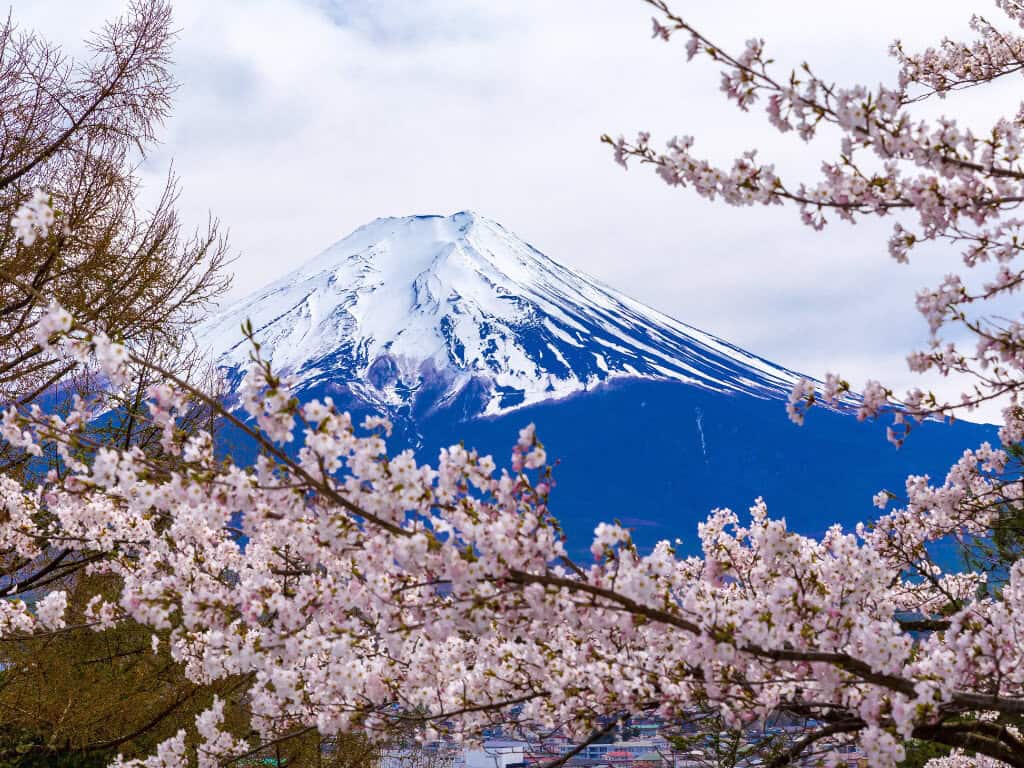
One of the most iconic images of Mount Fuji is the Chureito Pagoda. Located in Arakurayama Sengen Park, this five-story pagoda offers one of the most stunning viewpoints of Mount Fuji, especially when framed by cherry blossoms in spring.
- What to Do:
- Climb the 400 steps: The pagoda is accessed via a steep climb, but the effort is well worth it. Once you reach the top, you’ll be rewarded with one of the best views of Mount Fuji.
- Visit the park: If you’re visiting during cherry blossom season (April), the view of Fuji surrounded by pink blossoms is something you won’t want to miss.
3. Fujisan World Heritage Center
Learn about the cultural significance of Mount Fuji at the Fujisan World Heritage Center. Opened in 2016, this museum provides insight into the mountain’s religious and historical importance, as well as its recognition as a UNESCO World Heritage site.
- What to Do:
- Explore exhibits: The center has displays about Mount Fuji’s role in Japanese culture, art, and religion.
- Interactive experiences: There are some hands-on experiences where you can learn about the mountain’s geology and history.
4. Fuji Subaru Line 5th Station (Optional for Hiking Enthusiasts)
If you’re feeling adventurous and have more time, consider heading up to the 5th Station of Mount Fuji via the Fuji Subaru Line. This station is located halfway up the mountain and provides a great starting point for those who want to hike to the summit.
- What to Do:
- Short Hike: Even if you’re not summiting, you can hike around the 5th Station for panoramic views of the surrounding area.
- Shopping: There are souvenir shops and a shrine at the 5th Station, making it a popular stop for tourists.
What to Skip: Avoid Crowded Tourist Spots
While Mount Fuji has plenty to offer, there are a few touristy spots that tend to be overcrowded and may not offer the best experience.
- Skip the overly commercialized souvenir shops near the base of Mount Fuji. They can be expensive and crowded, and the souvenirs are often mass-produced.
- Avoid Peak Hiking Seasons: If you’re not an experienced hiker, skip the trail up to the summit unless you’re there during the official climbing season (July and August). Outside of those months, the higher areas of the mountain can be dangerous due to weather conditions.
Where to Eat: Restaurant and Café Suggestions
After a day of exploring, you’ll want to fuel up with some delicious food. Here are some recommendations around the Mount Fuji area.
1. Houtou Fuyoshi (Houtou Noodles) – Kawaguchiko
For a warm and hearty meal, try Houtou, a regional noodle dish served with thick wheat noodles and vegetables in a miso-based soup. It’s a filling and comforting dish, perfect for the cooler temperatures around Mount Fuji.
- Address: 1 Chome-6-1 Funatsu, Fujikawaguchiko, Yamanashi
- Must-Try: Houtou noodle soup, fried fish
2. Lake Kawaguchi Kōbō – Lakeside Café
This lakeside café offers beautiful views of the lake and Mount Fuji. It’s perfect for a coffee break or light lunch while soaking in the scenery. Enjoy the peaceful atmosphere with a cup of locally roasted coffee or a slice of cake.
- Address: 2 Chome-6-10 Funatsu, Fujikawaguchiko, Yamanashi
- Must-Try: Coffee, cakes, and pastries
3. Fujisan Restaurant & Cafe – Near Chureito Pagoda
This is a great spot to relax and take in the panoramic views after climbing up to the Chureito Pagoda. It offers light snacks, local tea, and Japanese sweets in a cozy, scenic environment.
- Address: 1 Chome-2-2 Sengen, Fujiyoshida, Yamanashi
- Must-Try: Matcha desserts, Japanese sweets, tea
Conclusion: A Day You Won’t Forget
A day trip to Mount Fuji is an unforgettable experience, offering stunning natural beauty, rich cultural heritage, and a perfect blend of outdoor activities and relaxation. Whether you’re admiring Fuji from the shores of Lake Kawaguchi, hiking up to the 5th Station, or enjoying a traditional Houtou noodle meal, your day will be filled with moments of wonder and discovery.
Make sure to plan your transportation carefully and pack layers to accommodate the mountain’s changing weather. A little preparation will ensure that your visit to Mount Fuji is a smooth, memorable, and incredibly rewarding experience!