First time visitors to Japan often worry about making mistakes. The concern is understandable. Japan has clear social expectations, many of them unstated. The reality on the ground is simpler. Visitors who pay attention, stay polite, and follow a few basic rules are rarely a problem.
This guide focuses on the etiquette issues that actually come up during a first trip to Japan. Everything here is based on common situations travelers face in cities, restaurants, trains, and cultural sites.
Japanese Etiquette for First Time Travelers
Politeness and Daily Interaction in Japan
Politeness shapes everyday life in Japan. You see it in how people line up, how they speak in public, and how they handle small transactions. Visitors do not need to copy local behavior perfectly. What matters is showing consideration.
Two phrases cover a lot of ground:
- Arigatō gozaimasu for thank you
- Sumimasen for excuse me or sorry
You will hear both constantly. Use them when asking for help, moving through a crowd, or correcting a mistake. Even basic effort signals respect.
If you want to learn more of the Japanese language, try out Duolingo. It has helped me learn the basics.
Bowing Basics for Visitors
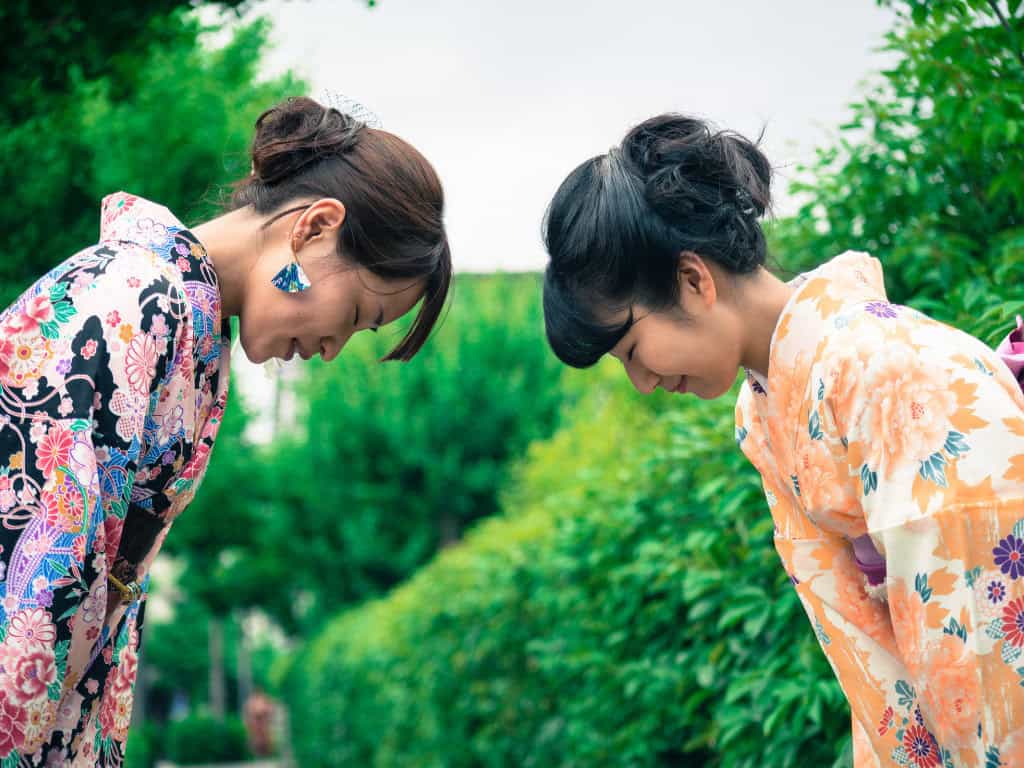
Bowing is used instead of handshakes in many situations. Travelers do not need to worry about angles or depth. A brief nod of the head is enough. Many Japanese people will mirror whatever greeting you offer, especially in hotels and shops that deal with international guests.
If someone bows to you, return a small bow. That is sufficient.
Shoes Off Rules That Matter
Removing shoes is one of the most important pieces of Japanese etiquette for first time travelers.
Shoes come off in:
- Private homes
- Traditional inns
- Some restaurants
- Temples and historic buildings
The entrance usually drops down slightly, and slippers are often placed nearby. That visual cue matters more than signs.
Bathrooms often have separate slippers. These are only for the toilet area. Forgetting to change back is a common tourist error and easy to fix once you notice.
Public Behavior and Noise Levels
Public behavior in Japan leans reserved. This is most noticeable on trains and buses.
What to do:
- Keep conversations low
- Put phones on silent
- Avoid phone calls on public transport
Eating while walking is uncommon in busy areas. People usually stop near the shop where they bought the food or wait until they reach a bench or designated area.
Trash cans are limited. Carry a small bag for wrappers and bottles.
Train Etiquette for First-Time Travelers
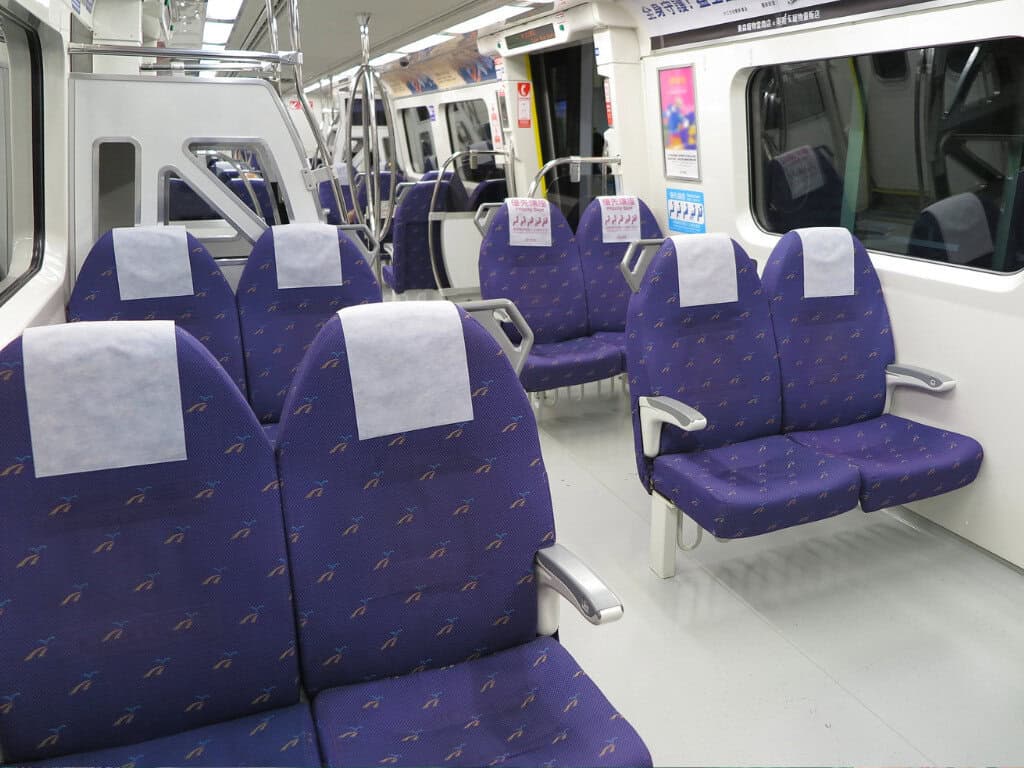
Trains are central to travel in Japan, and they run on tight schedules.
Key points:
- Line up where markings indicate
- Let passengers exit before boarding
- Avoid blocking doors with luggage
Priority seating is reserved for elderly passengers, pregnant riders, and people with disabilities. Even when seats are open, visitors should avoid these unless needed.
Large suitcases are allowed, but they should be kept out of aisles. On some shinkansen routes, oversized luggage requires a reservation.
Dining Etiquette in Japan
Restaurants follow clear but manageable rules.
Before eating, many people say itadakimasu. After the meal, gochisōsama deshita is common. Both are polite but not mandatory for visitors.
Chopstick rules that matter:
- Do not stick chopsticks upright in rice
- Do not pass food from chopstick to chopstick
- Place chopsticks on the rest when finished
Slurping noodles is normal, especially ramen and soba.
Tipping is not practiced. Leaving money on the table may cause confusion. Good service is standard and does not require extra payment, something that often throws first time visitors from the United States.
Paying for Things and Handling Money
Japan still relies heavily on cash, particularly outside major cities. Small restaurants, local shops, and temples may not accept cards.
At checkout, you will often see a small tray that is often overlooked when it comes to Japanese etiquette for first time travelers. Place cash or your card on the tray instead of handing it directly to the cashier. Change is returned the same way.
Keep bills neat. Crumpled cash looks careless in this context.
Onsen Rules for Beginners
Onsens are shared hot spring baths with strict cleanliness rules.
Before entering:
- Wash thoroughly at the shower stations
- Rinse off all soap
- Tie up long hair
Towels stay out of the water. Baths are for soaking, not swimming or conversation.
Tattoos are sometimes restricted. Policies vary by location. Some onsens allow tattoos with coverings, others do not. Checking ahead avoids awkward situations.
Visiting Shrines and Temples
Shrines and temples remain active religious sites.
Common practices:
- Bow lightly before entering shrine gates
- Use the water ladle to rinse hands and mouth
- Speak quietly inside grounds
Photography rules differ by location. Signs are usually clear. When in doubt, do not take photos indoors.
You are not expected to know the rituals. Standing aside and observing is acceptable.
Punctuality and Scheduling
Time matters in Japan. Trains leave exactly when scheduled. Tours and reservations start on time.
Arriving early is normal. Arriving late is disruptive. Plan extra time when navigating unfamiliar stations, especially in large cities.
Mistakes and How They Are Handled
Visitors make mistakes. Locals expect that. What matters is how you respond.
A brief apology, a nod, and correcting the behavior usually ends the situation. Staff in hotels and transport hubs are accustomed to helping first-time travelers.
Trying to explain too much can make things more awkward. Keep it simple.
Practical Advice for First-Time Travelers to Japan
Pay attention to how people around you behave. Follow posted signs. Keep your voice down. Handle shared spaces carefully.
Japan rewards attentiveness more than expertise. Travelers who stay observant and polite tend to have smooth experiences, even without deep cultural knowledge.