When most people picture Hawaii, they imagine golden beaches, swaying palms, and turquoise water. But on the Big Island, there’s a place that feels almost otherworldly—a land shaped by fire, constantly evolving, and unlike anywhere else in the United States.
Welcome to Hawaiʻi Volcanoes National Park, a destination where you can walk across ancient lava fields, peer into active volcanic craters, hike through lush rainforests, and witness the raw power of Earth in motion.
This UNESCO World Heritage Site and International Biosphere Reserve is one of the most fascinating and dynamic national parks in the world. Whether you’re planning a trip or crafting itineraries for clients, this guide covers the best things to do, see, and experience inside the park.
The Ultimate Guide to the Best Things to Do and See in Hawaii Volcanoes National Park
Why Visit Hawaiʻi Volcanoes National Park?
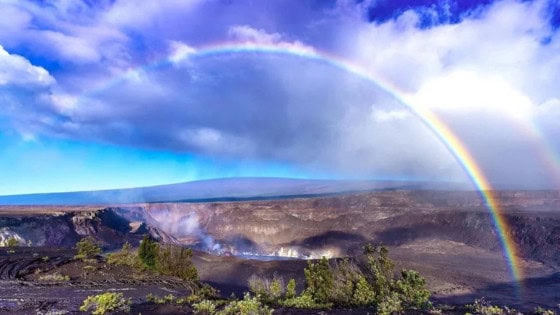
Located on the southeastern side of the Big Island of Hawaii, the park spans over 500 square miles and protects two of the most famous volcanoes on Earth:
- Kīlauea — one of the most active volcanoes in the world
- Mauna Loa — the largest volcano by volume and area
This park isn’t static. It’s alive. Lava flows reshape the land, craters collapse and reform, and new geological features emerge regularly.
What makes it so special?
- Dramatic, ever-changing landscapes
- Unique ecosystems from rainforest to desert
- Deep cultural and spiritual significance in Native Hawaiian traditions
- Accessible adventure for all levels of travelers
Drive the Crater Rim Drive: The Perfect Introduction
If you do nothing else, start with Crater Rim Drive. This scenic route loops around the summit of Kīlauea and connects many of the park’s most iconic viewpoints and trailheads.
Highlights Along the Drive
Kīlauea Visitor Center
Start here for current conditions, eruption updates, maps, and ranger advice.
Steam Vents
Watch as steam rises from cracks in the earth—evidence of the volcanic heat just below the surface.
Sulphur Banks (Haʻakulamanu)
This colorful area showcases sulfur deposits and volcanic gases. The smell is strong, but the views are worth it.
Kīlauea Overlook
One of the best places to take in the vastness of the summit caldera.
Crater Rim Drive is ideal for travelers who want a comprehensive overview without committing to long hikes.
Witness Halemaʻumaʻu Crater
At the heart of Kīlauea lies Halemaʻumaʻu Crater, a place of immense geological and cultural importance.
Traditionally believed to be the home of Pele, the Hawaiian goddess of fire, this crater has been the site of dramatic eruptions in recent years.
What You Might See
- A glowing lava lake (depending on volcanic activity)
- Steam plumes rising from the crater floor
- A massive, ever-changing landscape shaped by recent eruptions
Conditions change frequently, so every visit offers something different.
Best Time to Visit
If there is visible lava, sunset or nighttime visits are unforgettable. The glow against the dark sky is surreal. Stop by the Visitors Center during the
Walk Through the Nāhuku Lava Tube
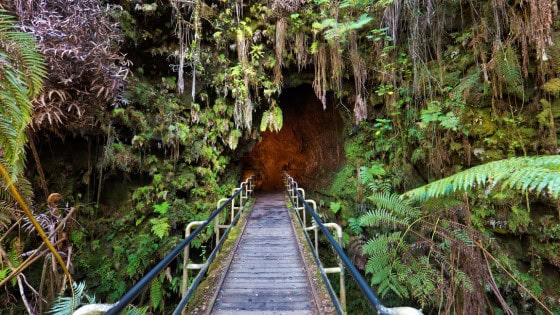
Step inside a natural tunnel formed by flowing lava at Nāhuku Lava Tube (formerly Thurston Lava Tube).
What to Expect
- A short, easy walk through a dimly lit lava cave
- Lush rainforest surrounding the entrance
- Cool, damp air inside the tube
This is one of the most accessible and family-friendly experiences in the park.
Why It’s Special
Lava tubes form when the outer layer of a lava flow cools while molten lava continues to move beneath it. Once the lava drains, it leaves behind a hollow tunnel.
Walking through one feels like stepping into the Earth itself.
Hike the Kīlauea Iki Trail
For one of the most memorable hikes in the park, head to the Kīlauea Iki Trail.
What Makes It Unique
- You’ll descend through rainforest into a crater
- Then hike across a solidified lava lake
- Steam still rises from cracks in the earth
This trail gives you a rare opportunity to walk directly across a volcanic landscape that erupted in 1959.
Trail Details
- Distance: ~4 miles loop
- Difficulty: Moderate
- Time: 2–3 hours
It’s a must-do for travelers who want a more immersive experience.
Explore Chain of Craters Road
For a dramatic journey from summit to sea, drive Chain of Craters Road.
What You’ll See
- Old lava flows stretching for miles
- Coastal cliffs where lava meets the ocean
- Scenic overlooks and short hiking trails
This road tells the story of volcanic destruction and renewal.
Must-Stop Spots
- Puʻu Loa Petroglyphs — ancient Hawaiian rock carvings
- Hōlei Sea Arch — a striking natural arch formed by erosion
At the end of the road, you’ll reach the coast—where black lava meets the Pacific Ocean in a stark, beautiful contrast.
Visit the Devastation Trail
This short but powerful walk showcases the aftermath of a major eruption.
The Devastation Trail leads through a landscape that was buried by cinder and ash during the 1959 eruption of Kīlauea Iki.
Why It Stands Out
- Stark, almost lunar scenery
- Regrowth of native plants pushing through volcanic ash
- Incredible contrast between destruction and resilience
It’s a reminder of how quickly nature can change—and recover.
Learn About Native Hawaiian Culture
Hawaiʻi Volcanoes National Park is not just a geological wonder—it’s also a deeply sacred place.
Cultural Significance
The volcanoes are central to Native Hawaiian beliefs, especially the goddess Pele, who is said to reside in Halemaʻumaʻu.
Visitors are encouraged to:
- Respect cultural sites
- Avoid removing rocks or lava (it’s illegal and culturally inappropriate)
- Learn about Hawaiian traditions and stories
Ranger programs often include cultural talks that add meaningful context to your visit.
Stargazing in One of the Darkest Skies in Hawaii
Thanks to its remote location and minimal light pollution, the park is an excellent place for stargazing.
On clear nights, you can see:
- The Milky Way
- Countless stars and constellations
- Occasional meteor showers
Pair this with the glow of lava (if active), and it becomes an unforgettable nighttime experience.
Birdwatching and Unique Wildlife
While the park is best known for its geology, it also supports a surprising variety of wildlife.
What You Might Spot
- Native Hawaiian birds like the ʻapapane and ʻiʻiwi
- Nēnē (Hawaiian goose), the state bird
- Insects and plant species found nowhere else on Earth
The park’s diverse ecosystems—from rainforest to volcanic desert—create habitats for rare and endemic species.
Experience the Ever-Changing Landscape
One of the most fascinating aspects of Hawaiʻi Volcanoes National Park is that no two visits are ever the same.
Eruptions, earthquakes, and lava flows constantly reshape the land.
For example:
- Trails may close or reopen
- New lava flows may appear
- Craters can collapse or expand
This dynamic environment makes every visit feel like a unique experience.
Best Time to Visit Hawaii Volcanoes National Park
Hawaiʻi Volcanoes National Park is open year-round, but here’s what to consider:
Weather
- Cooler and wetter than coastal areas
- Rain is common, especially at higher elevations
Crowds
- Busiest during summer and holidays
- Early mornings and late afternoons are quieter
Lava Viewing
Volcanic activity varies, so check updates before visiting for the best chance to see active lava.
Practical Tips for Visiting
To make the most of your trip:
- Wear sturdy shoes for hiking on uneven lava
- Bring layers—it can be chilly and windy
- Carry water and snacks
- Check park alerts for closures or safety updates
- Arrive early for popular spots
Final Thoughts on the Best Things to Do and See in Hawaii Volcanoes National Park
Hawaiʻi Volcanoes National Park is not just a place you visit—it’s a place you feel.
It’s where the Earth is still being formed before your eyes. Where ancient stories meet modern science. Where destruction and creation exist side by side.
From walking through lava tubes to watching the glow of an active crater, every moment here is a reminder of how powerful and beautiful our planet truly is.
If you’re planning a trip to Hawaii, this park deserves more than just a quick stop—it deserves a full day (or more) of exploration.
And if you’re building itineraries for clients, this is the kind of destination that turns a great vacation into an unforgettable one.