There are some places in the world that are difficult to put into words, and Kenya is one of them. Picture the sun rising over the African savanna, elephants making their way across the plains, giraffes wandering through the trees, and lions resting in the shade after a morning hunt. This is the kind of experience that makes an African safari so special, and Kenya offers some of the most memorable wildlife encounters on the continent.
Whether an African safari has been on your bucket list for years or you’re just beginning to consider one, Kenya is an incredible place to start. With diverse landscapes, remarkable wildlife, beautiful lodges, and opportunities to experience local culture, it’s a destination that offers so much more than a traditional vacation.
Spotlight on Kenya
The Safari Experience
The heart of a Kenya vacation is often the safari itself. Days typically begin early, when wildlife is most active and the African landscape is just beginning to wake up. You’ll head out with an experienced safari guide in search of animals, often returning to your lodge for breakfast or a relaxing afternoon before heading out again for an evening game drive.
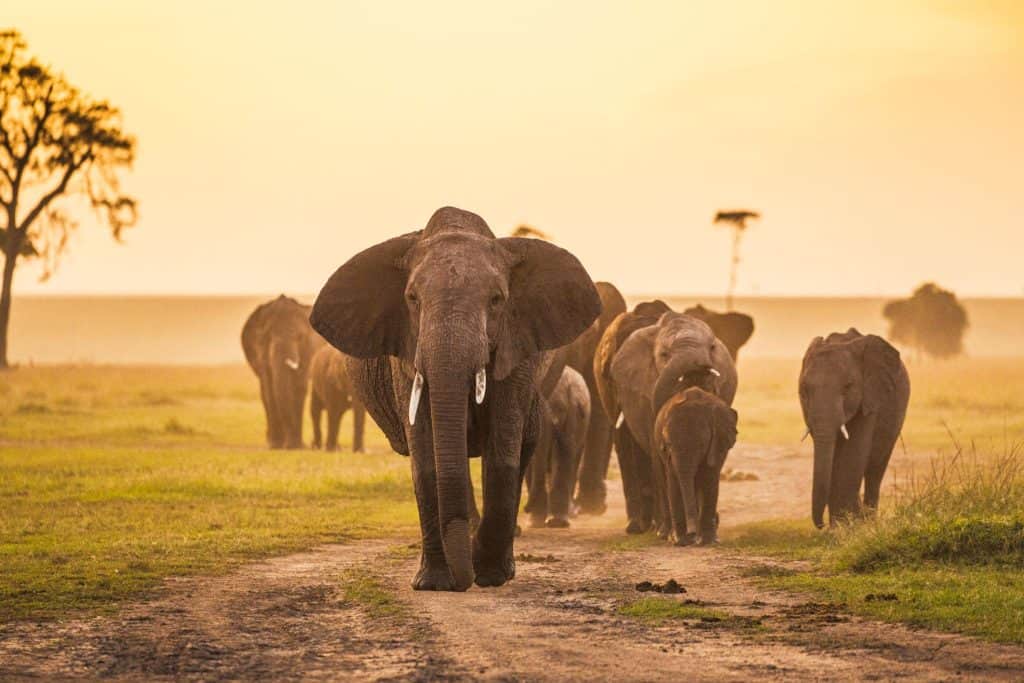
Every game drive is different. One morning you might come across a pride of lions, while the next could bring a leopard sighting, a herd of elephants, or hundreds of zebras crossing the plains. There is no guarantee of exactly what you’ll see, which is part of what makes each outing so exciting.
And the experience isn’t limited to the wildlife. Many safari lodges offer beautiful accommodations, incredible meals, swimming pools overlooking the landscape, and opportunities to enjoy the surrounding wilderness in ways you might never have imagined.
Where to Go on Safari in Kenya
Kenya has several outstanding safari regions, each offering something a little different. The right combination depends on the wildlife you hope to see, the type of accommodations you prefer, and how much time you have to explore.
The Maasai Mara
Perhaps Kenya’s most famous safari destination, the Maasai Mara National Reserve is known for its expansive grasslands and extraordinary concentration of wildlife. It’s an excellent place to look for the Big Five: lions, leopards, elephants, buffalo, and rhinos. If seeing big cats is high on your safari wish list, this is a particularly exciting region to explore.
The Mara is also one of the most celebrated locations for witnessing the Great Migration, making it a popular choice for first time safari travelers and experienced wildlife enthusiasts alike.
Amboseli National Park
If you’ve ever seen photographs of elephants walking beneath Mount Kilimanjaro, there’s a good chance they were taken in Amboseli National Park. This park is especially well known for its large elephant herds and dramatic mountain backdrops.
The scenery here is quite different from the Maasai Mara, making it a wonderful addition to a multi stop safari. It’s also a fantastic destination for wildlife photography, particularly when the mountain is visible on a clear morning.
Samburu National Reserve
For something a little different, consider Samburu National Reserve in northern Kenya. This region is home to several unique wildlife species sometimes called the Samburu Special Five: Grevy’s zebra, reticulated giraffe, Somali ostrich, gerenuk, and Beisa oryx.
It’s a fantastic option for travelers who want to explore beyond the traditional safari circuit and see wildlife that isn’t as commonly found in other parts of the country.
Experience the Great Migration
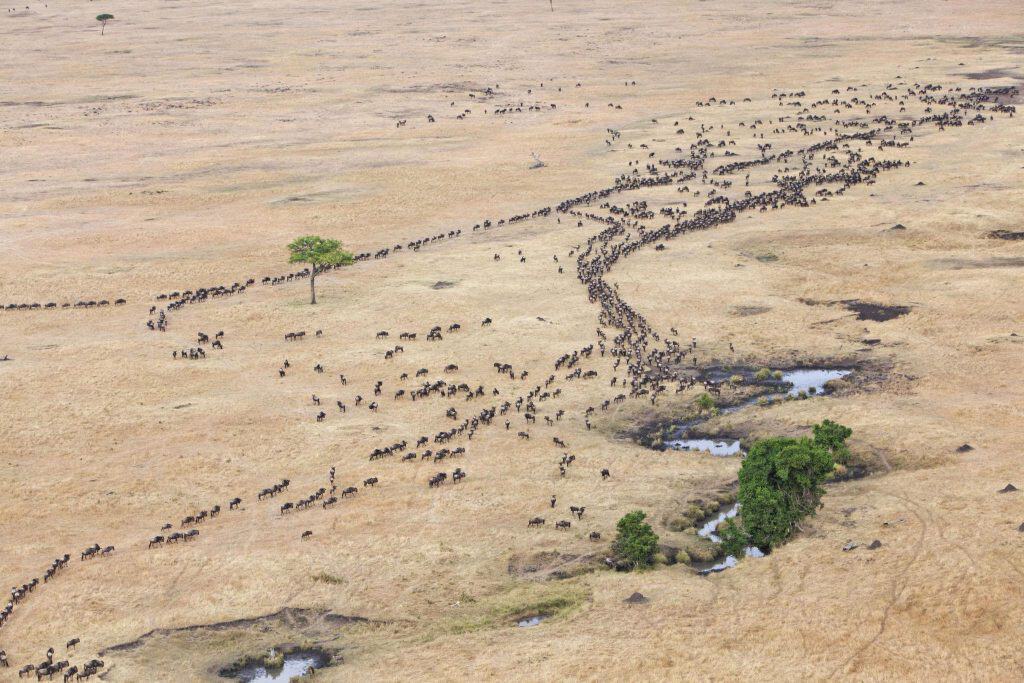
One of the most extraordinary wildlife spectacles in the world takes place in the Maasai Mara and neighboring Serengeti ecosystem. The Great Migration sees more than a million wildebeest, along with hundreds of thousands of zebras and gazelles, move across the plains in search of fresh grazing.
Typically, the herds reach Kenya’s Maasai Mara around July and remain into October, although timing varies each year depending on rainfall and grazing conditions. One of the most dramatic moments is the river crossings, when enormous herds attempt to cross crocodile filled rivers.
If witnessing the migration is on your bucket list, timing your trip is important. However, Kenya offers incredible wildlife viewing throughout the year, so don’t feel that the migration has to be the only reason to visit. The Maasai Mara has resident wildlife year round, and there are wonderful safari experiences to be had outside migration season.
One important thing to remember is that wildlife doesn’t follow a calendar. Even during migration season, river crossings are unpredictable. Having enough time in the region and keeping your expectations flexible will make for a much more enjoyable experience.
Where You’ll Stay Matters
One of my favorite parts of planning an African safari is choosing the accommodations. Safari lodges and tented camps are an experience in themselves, and where you stay can make a huge difference in your trip.
Imagine waking up in a beautifully appointed tented suite overlooking the plains, enjoying meals prepared with fresh local ingredients, and spending the afternoon relaxing beside a pool with wildlife occasionally passing in the distance.
Some camps are intimate and remote, offering a more private experience with fewer guests. Others provide larger resort style accommodations with additional amenities. There are also options for different budgets, from comfortable safari lodges to exceptional luxury properties.
Location matters just as much as the accommodations. Staying inside a reserve or in a private conservancy can offer different wildlife experiences, access, and activities. Some private conservancies also allow activities such as guided walking safaris and night game drives that may not be permitted in the national reserves.
This is one area where thoughtful planning really pays off. The right lodge isn’t just somewhere to sleep. It’s an important part of the overall safari experience.
Beyond the Game Drives: More Ways to Experience Kenya
While wildlife viewing is often the main reason people travel to Kenya, there are plenty of other experiences that can make your itinerary even more memorable.
Visit a Maasai Community
Kenya is home to many different communities, each with its own traditions, history, and way of life. The Maasai are among the best known, and some safari itineraries offer opportunities to visit a Maasai community with a local guide.
These experiences can provide insight into traditional homes, crafts, customs, and the relationship between the community and the surrounding wildlife. When choosing a cultural experience, look for opportunities that are community led and benefit the people who are sharing their traditions with visitors.
Take to the Skies in a Hot Air Balloon
For a truly unforgettable morning, consider adding a hot air balloon safari over the Maasai Mara. You’ll typically depart before sunrise and watch the landscape come to life as you float above the plains. From the air, you may see herds of animals moving across the grasslands and get a completely different perspective of the reserve.
Many balloon experiences conclude with a champagne style breakfast in the bush. It’s an extra expense, but for travelers celebrating a special occasion or looking for a memorable splurge, it can be a wonderful addition.
Explore Nairobi
Depending on your international flight schedule, you may want to spend a little time in Nairobi before or after your safari. Kenya’s capital offers several interesting attractions, including the Karen Blixen Museum, the Giraffe Centre, and the David Sheldrick Wildlife Trust, which is known for its elephant rescue and rehabilitation work.
Maybe even visit the only national park in the world located within city limits, Nairobi National Park.
Nairobi is more than just a place to catch your connecting flight. With the right amount of time, it can be a worthwhile part of your Kenyan adventure.
Add a Little Beach Time
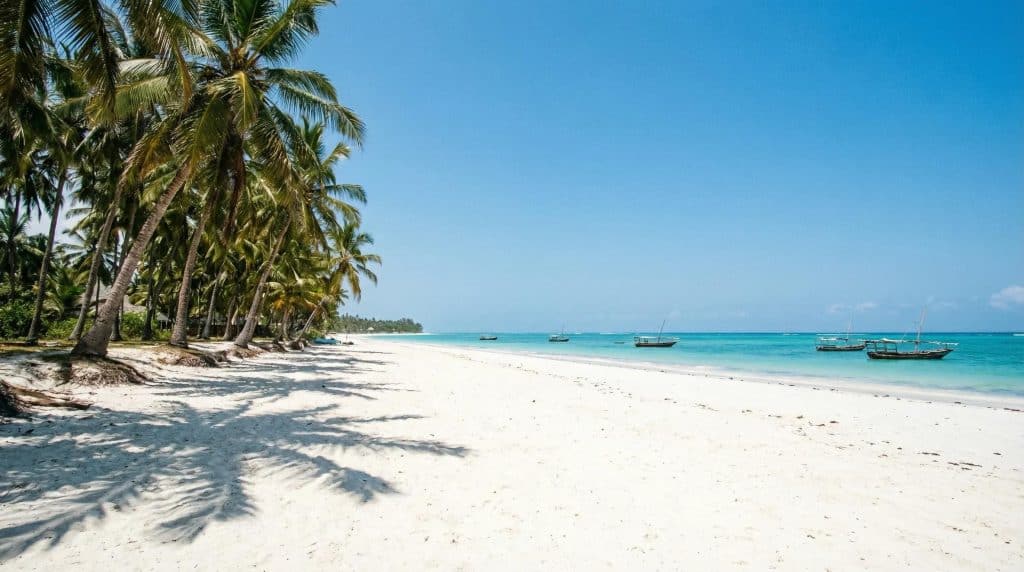
Who says an African safari has to end when you leave the bush? Kenya also has a beautiful coastline along the Indian Ocean, making it possible to combine wildlife adventures with a few days of relaxation.
Diani Beach is one of the most popular choices, known for its white sand, turquoise water, and beautiful beachfront resorts. You can spend your days snorkeling, diving, enjoying boat excursions, or simply relaxing by the water.
Watamu is another lovely option, particularly for travelers interested in marine life, coral reefs, and a quieter coastal atmosphere.
Combining a safari with a beach stay creates a wonderful balance of adventure and relaxation, especially for couples celebrating a milestone or travelers looking to make a longer trip out of their African adventure.
Getting Around Kenya
One of the biggest differences between planning a safari and planning a traditional vacation is transportation. Kenya is a large country, and the distances between safari regions can be significant.
Many itineraries combine road transfers with small aircraft flights between destinations. Flying between safari areas can save considerable travel time and give you more opportunities to enjoy your surroundings rather than spending entire days on the road.
For example, you might begin your trip in Nairobi, fly to Amboseli, continue to the Maasai Mara, and then finish with a few relaxing days along the coast. Your exact route will depend on your travel dates, chosen camps, and available flight connections.
Small aircraft flights are a common part of the safari experience, but they do come with luggage restrictions. Many regional flights require soft sided luggage and have strict weight limits, sometimes including camera equipment and personal items. It’s important to understand these requirements before packing for your safari.
How Long Should You Spend in Kenya?
If you’re traveling all the way to Africa, I recommend allowing enough time to experience more than one region without feeling rushed.
For a first visit, approximately seven to ten nights can provide a wonderful introduction to Kenya. This allows time to explore two or three safari areas, depending on your route and travel pace.
If you have ten to fourteen nights, you can take things a little further. You might combine several safari regions with a few days on the Indian Ocean coast, or spend additional time at a favorite lodge rather than moving every couple of nights.
One thing I always encourage travelers to consider is the value of staying multiple nights at each safari camp. Each location offers something different, and having enough time to enjoy the surroundings, participate in game drives, and settle into the experience makes a difference.
An African safari isn’t a trip where you want to spend every day checking in and out of accommodations. Sometimes the best moments happen when you have time to slow down and simply enjoy where you are.
When Is the Best Time to Visit Kenya?
Kenya is a year round safari destination, but the best time to visit depends on what you’d most like to experience.
January through March: Generally drier conditions, excellent wildlife viewing, and fewer crowds in some safari areas. This can be a wonderful time for travelers interested in wildlife photography and spotting big cats.
June through October: One of the most popular periods for safari, with generally dry weather and excellent wildlife viewing. This is also when the Great Migration typically brings large herds into the Maasai Mara.
November through December: Short rains can bring greener landscapes, beautiful scenery, and good wildlife viewing, although weather conditions vary.
There isn’t one perfect month for every traveler. Your ideal travel dates will depend on your priorities, budget, preferred regions, and the type of experience you’re hoping to have.
What Should You Pack for a Kenyan Safari?
Packing for a safari is a little different from packing for a typical vacation. You’ll want comfortable clothing that works for warm days, cooler mornings, and early evening game drives.
Lightweight, breathable clothing in neutral colors is generally a good choice. Think khaki, olive, tan, and other muted shades. You’ll also want comfortable walking shoes, a lightweight jacket or fleece for cooler mornings, sunglasses, sunscreen, and a good hat.
A pair of binoculars can make a huge difference when spotting animals in the distance. Even when your guide has excellent equipment and experience, having your own pair means you won’t miss out when something interesting appears across the plains.
If you’re traveling between safari camps by small aircraft, remember to pack with luggage restrictions in mind. A soft sided duffel is often a better choice than a large hard sided suitcase.
And don’t forget your camera! You’ll likely take hundreds of photographs, but some of your favorite memories may be the moments when you put the camera down and simply take everything in.
Frequently Asked Questions About Visiting Kenya
What is Kenya best known for?
Kenya is best known for its incredible wildlife safaris, the Maasai Mara National Reserve, the Great Migration, large elephant herds, and beautiful landscapes. It also offers cultural experiences and stunning beaches along the Indian Ocean.
What is the best month to visit Kenya for a safari?
July through October is especially popular for safari travelers hoping to see the Great Migration in the Maasai Mara. January through March can also offer excellent wildlife viewing. The best month depends on your interests and preferred safari regions.
How many days do you need for a Kenya safari?
Seven to ten nights is a good starting point for a first Kenya safari, allowing time to explore multiple wildlife regions. Travelers who want to add a beach stay or visit additional parks may prefer ten to fourteen nights.
Can you combine a Kenya safari with a beach vacation?
Absolutely! Many travelers combine the Maasai Mara or Amboseli with a few days at Diani Beach or Watamu along Kenya’s Indian Ocean coastline.
Is Kenya a good destination for a first African safari?
Yes. Kenya offers a wide variety of safari regions, experienced guides, excellent wildlife viewing, and accommodations ranging from comfortable tented camps to luxury lodges. With the right itinerary, it can be a wonderful introduction to Africa.
Do you need to fly between safari destinations in Kenya?
Is Kenya the Right Safari Destination for You?
If you’re looking for a trip that combines incredible wildlife, beautiful landscapes, unique cultural experiences, and the opportunity to stay somewhere truly special, Kenya deserves a place on your travel list.
An African safari is also very different from planning a typical vacation. The choice of reserves, camp locations, travel times, internal flights, and seasonal wildlife patterns all play a role in creating the right itinerary. Two safari trips to Kenya can look completely different depending on how they’re planned.
My biggest advice? Don’t choose your safari based solely on the animals you want to see or the lodge with the prettiest pictures. Think about the entire experience, from the number of nights in each location to how you want to spend your time between game drives.
And if Kenya has been sitting on your bucket list, perhaps this is the year to start turning that dream into a plan.
Ready to start dreaming about Africa? I’d love to help you explore the possibilities and create a safari experience that fits the way you want to travel.