Tokyo is a city that seems to exist in several worlds at once. Towering skyscrapers and enormous digital billboards sit alongside quiet temples and traditional gardens. Busy train stations move millions of people every day, while just a few streets away, tiny neighborhood restaurants serve generations old recipes. You can spend the morning exploring centuries of Japanese history, the afternoon shopping in some of the world’s most exciting retail districts, and the evening eating your way through a maze of tiny restaurants illuminated by glowing lanterns.
Destination Spotlight: Tokyo, Japan
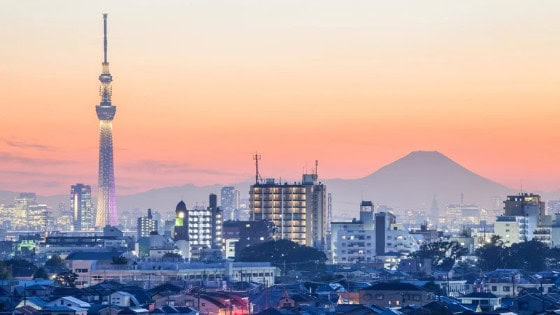
There is something about Tokyo that makes it difficult to compare with anywhere else. It is energetic without feeling chaotic, incredibly modern while still holding onto its traditions, and full of experiences that can make even a return visit feel completely different from the last.
For first time visitors, Tokyo can feel almost overwhelming. There are countless neighborhoods to explore, attractions to visit, restaurants to try, and experiences to fit into an itinerary. The good news is that there is no single right way to experience the city. Whether you are interested in Japanese culture, incredible food, shopping, architecture, entertainment, or simply wandering through neighborhoods and discovering something unexpected, Tokyo has something to offer.
If Japan is on your travel wish list, Tokyo is an excellent place to begin. Here is what makes this incredible city worth exploring and how to make the most of your time there.
A City of Contrasts
One of the things that makes Tokyo so fascinating is the contrast between its different sides. The city is often associated with neon lights, futuristic architecture, busy crossings, and cutting edge technology. While all of those things are part of the Tokyo experience, they represent only a small piece of what the city has to offer.
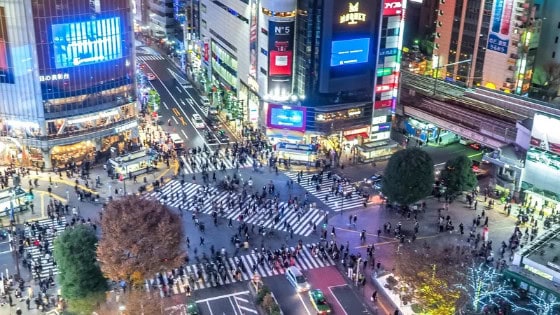
In Asakusa, you can walk through the grounds of Senso ji Temple, browse traditional shops, and experience a part of Tokyo that feels connected to the city’s past. In Shibuya, enormous video screens and illuminated buildings surround one of the busiest pedestrian crossings in the world. In Shinjuku, towering office buildings and department stores give way to narrow alleys filled with restaurants and bars.
Tokyo is also home to peaceful green spaces that offer a welcome break from the energy of the city. The gardens surrounding the Imperial Palace, the wooded pathways of Meiji Jingu Shrine, and the beautiful landscape of Shinjuku Gyoen National Garden provide opportunities to slow down and appreciate a quieter side of the capital.
The beauty of Tokyo is that you do not have to choose between traditional Japan and modern Japan. You can experience both within the same day.
Neighborhoods Worth Exploring
Tokyo is not a city that can be understood through a single attraction or sightseeing district. Its neighborhoods each have their own personality, atmosphere, and experiences. Spending time exploring several different areas is one of the best ways to get a feel for the city.
Shibuya: The Energy of Modern Tokyo
Shibuya is one of the most recognizable areas of Tokyo and an excellent introduction to the city’s modern side. It is known for its enormous pedestrian crossing, bright advertising screens, shopping centers, entertainment venues, and lively atmosphere.
The famous Shibuya Scramble Crossing is a must see. When the pedestrian signals change, people stream across the intersection from every direction. It is an impressive sight, particularly when viewed from above.
The surrounding neighborhood is full of shopping opportunities, from international fashion brands to Japanese streetwear and specialty stores. Shibuya is also a fantastic place to explore Japanese food culture, with everything from casual ramen restaurants to stylish cafes.
For an elevated view of the city, visit Shibuya Sky. This observation experience offers incredible panoramic views of Tokyo from the rooftop of the Shibuya Scramble Square building. On a clear day, you may even be able to see Mount Fuji in the distance.
Shibuya is especially enjoyable in the evening when the neighborhood comes alive with illuminated buildings, busy restaurants, and entertainment.
Shinjuku: Skyscrapers, Gardens, and Hidden Alleys
Shinjuku is one of Tokyo’s major transportation and entertainment hubs. It is a busy district with enormous department stores, shopping streets, office towers, restaurants, and nightlife.
One of the best ways to experience the area is to explore its different sides. The western side of Shinjuku is known for its impressive skyscrapers and business district. The Tokyo Metropolitan Government Building offers free observation decks with sweeping views across the city, making it a great alternative to some of Tokyo’s paid observation experiences.
For a completely different atmosphere, visit Omoide Yokocho. This collection of narrow alleyways is filled with tiny restaurants, many specializing in yakitori, or grilled chicken skewers. The lanterns, close quarters, and traditional atmosphere make it one of the most memorable places to enjoy an evening meal.
Another interesting area is Golden Gai, a collection of narrow streets lined with small bars. Each establishment has its own personality, and the area offers a glimpse into a different side of Tokyo nightlife.
If you need a break from the crowds, Shinjuku Gyoen National Garden is one of the city’s most beautiful green spaces. Its landscaped gardens, peaceful pathways, and seasonal flowers make it a wonderful place to spend a few hours.
Asakusa: A Glimpse of Traditional Tokyo
For visitors interested in Japanese history and culture, Asakusa is one of the most rewarding neighborhoods to explore.
The centerpiece is Senso ji, one of Tokyo’s most famous Buddhist temples. The approach to the temple begins at Kaminarimon Gate, recognizable by its enormous red lantern. From there, Nakamise Shopping Street leads visitors toward the temple grounds, with shops selling traditional snacks, souvenirs, crafts, and Japanese sweets.
The atmosphere is particularly lovely in the morning before the busiest crowds arrive. Take time to explore the temple grounds, observe the traditional customs, and enjoy some of the local food offerings.
Asakusa also offers beautiful views of Tokyo Skytree across the Sumida River. The contrast between the historic neighborhood and the modern tower is a wonderful example of Tokyo’s character.
This is an excellent area to experience traditional Japanese culture while still enjoying the conveniences and energy of the modern city.
Harajuku: Fashion, Creativity, and Pop Culture
Harajuku is known for its colorful fashion, creative shops, and connection to Japanese pop culture. It has long been associated with unique street fashion and youth culture, making it an interesting place to explore even if shopping is not your primary interest.
Takeshita Street is the neighborhood’s most famous shopping street. It is filled with small boutiques, character merchandise, novelty stores, and colorful dessert shops. You will find everything from elaborate crepes to unusual Japanese snacks.
For a quieter experience, explore the surrounding streets, where independent shops, stylish cafes, and vintage clothing stores offer a different atmosphere.
Harajuku is also conveniently located near Meiji Jingu Shrine, making it easy to combine a visit to both places.
Ginza: Shopping and Sophisticated Dining
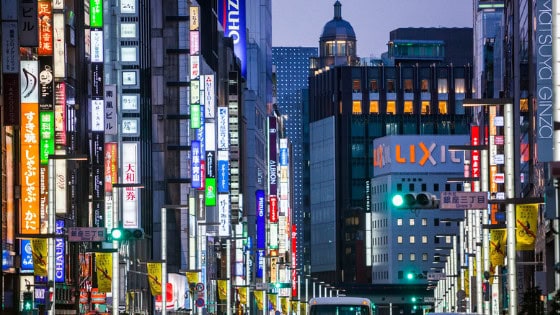
Ginza offers a completely different atmosphere from Shibuya and Harajuku. This upscale neighborhood is known for luxury shopping, elegant department stores, beautiful architecture, and exceptional dining.
Even if designer shopping is not on your itinerary, Ginza is worth visiting for its impressive storefronts, food halls, and restaurants. The basement food floors of Japanese department stores, known as depachika, are particularly interesting. They feature beautifully presented food, sweets, baked goods, prepared meals, and specialty ingredients.
Ginza is also a wonderful place to enjoy sushi, Japanese tea, and traditional sweets. It offers a more refined introduction to Tokyo’s dining scene.
Akihabara: Anime, Gaming, and Electronics
Akihabara is a must visit for anyone interested in anime, manga, video games, electronics, or Japanese pop culture.
The neighborhood is filled with multi story stores selling everything from collectible figures and trading cards to vintage video games and the latest electronics. Even visitors who are not particularly interested in these hobbies may find the atmosphere entertaining.
Arcades are another major part of the experience. Many feature several floors of games, including rhythm games, racing games, claw machines, and other Japanese arcade favorites.
Akihabara is also an interesting place to explore the influence of Japanese entertainment and gaming culture on everyday life.
Tokyo’s Most Iconic Attractions
Beyond its neighborhoods, Tokyo has an impressive collection of attractions that deserve a place on your itinerary. Some offer incredible views, while others provide opportunities to experience Japanese history, culture, and entertainment.
Tokyo Skytree
Tokyo Skytree is one of the tallest structures in the world and one of the city’s most recognizable landmarks. Its observation decks offer breathtaking views across Tokyo, with Mount Fuji sometimes visible on particularly clear days.
The surrounding Tokyo Solamachi shopping complex is also worth exploring, with restaurants, shops, and attractions that make it easy to spend several hours in the area.
Tokyo Tower
Inspired by the Eiffel Tower, Tokyo Tower has become an iconic part of the city’s skyline. Its bright orange and white structure is especially beautiful when illuminated at night.
Visitors can enjoy observation decks with views of the surrounding city. It is also a wonderful location for photographs, particularly when viewed from nearby streets and parks.
Meiji Jingu Shrine
Located in a forested area near Harajuku, Meiji Jingu Shrine provides a peaceful escape from the surrounding city. The approach takes visitors through towering wooden torii gates and shaded pathways.
Dedicated to Emperor Meiji and Empress Shoken, the shrine is an important cultural and spiritual site. Visitors can observe traditional practices, explore the grounds, and enjoy the calm atmosphere.
Remember to be respectful when visiting religious sites. Follow posted instructions and observe how other visitors behave.
Imperial Palace and East Gardens
The Imperial Palace is located in the heart of Tokyo and serves as the residence of Japan’s Imperial Family. Although the inner palace grounds are generally not open for casual visits, the surrounding area is worth exploring.
The East Gardens are open to the public on designated days and offer a beautiful combination of historic stone walls, landscaped gardens, and peaceful walking paths.
It is an excellent place to appreciate a quieter side of the city while learning about Japan’s history.
teamLab Borderless
For something completely different, visit teamLab Borderless, an immersive digital art experience in Tokyo’s Azabudai Hills district.
The installations combine light, color, movement, and technology to create constantly changing environments. Rather than simply looking at artwork on a wall, visitors move through interactive spaces where the exhibits seem to flow from one room into another.
It is an especially memorable experience for visitors who enjoy art, photography, and technology. Advance reservations are recommended.
Eating Your Way Through Tokyo
Tokyo is one of the world’s great food cities, and eating is an essential part of experiencing the destination. Whether you are visiting a small neighborhood restaurant or enjoying an elaborate multi course meal, Japanese food culture offers an incredible variety of flavors and experiences.
One of the best things about dining in Tokyo is that excellent food can be found at almost every price point. You do not need to visit expensive restaurants to enjoy an outstanding meal.
Ramen
A steaming bowl of ramen is one of the most satisfying meals to enjoy in Tokyo. Restaurants specialize in different broths and styles, including rich tonkotsu, soy based shoyu, and miso ramen. Many restaurants have their own signature recipes, making it worth trying ramen in more than one neighborhood.
Sushi
Tokyo is an excellent place to experience sushi, from casual conveyor belt restaurants to intimate counters where chefs prepare each piece individually. Tsukiji Outer Market is a popular destination for exploring seafood stalls, sushi restaurants, and specialty food vendors.
Tempura
Tempura features seafood and vegetables lightly coated in batter and fried until crisp. It can be enjoyed as part of a traditional meal or served over rice. The difference between freshly prepared tempura and the versions many travelers are familiar with is worth experiencing.
Yakitori
Yakitori consists of grilled chicken skewers, often seasoned simply with salt or a savory sauce called tare. It is a popular casual dining option and can be found throughout Tokyo, particularly in areas such as Shinjuku.
Japanese Convenience Stores
Do not overlook Japanese convenience stores. Known as konbini, stores such as 7 Eleven, Lawson, and FamilyMart offer an impressive selection of prepared meals, sandwiches, rice balls, desserts, drinks, and snacks.
They are particularly useful for quick breakfasts, inexpensive lunches, and late night snacks. Many travelers are surprised by just how good the food can be.
Japanese Sweets and Desserts
Tokyo is also a wonderful destination for anyone with a sweet tooth. Try traditional mochi, fluffy Japanese pancakes, matcha desserts, taiyaki, and seasonal wagashi.
Japanese desserts often reflect the seasons, so you may find limited time flavors and beautifully presented treats throughout the year.
When Is the Best Time to Visit Tokyo?
Tokyo is a year round destination, but the experience can change considerably depending on the season.
Spring: March Through May
Spring is one of the most popular times to visit Japan, particularly during cherry blossom season. Tokyo’s parks, gardens, and riversides become filled with delicate pink and white blossoms.
Ueno Park, Shinjuku Gyoen, and Chidorigafuchi are among the most popular locations for viewing cherry blossoms.
Cherry blossom timing changes each year depending on the weather, and the peak bloom period can be relatively short. If seeing the blossoms is a priority, flexibility with travel dates is helpful.
Spring also brings comfortable sightseeing weather, although popular attractions and hotels can be particularly busy.
Summer: June Through August
Summer in Tokyo is hot and humid, with July and August often bringing high temperatures. June also typically includes the rainy season.
Despite the weather, summer offers plenty of cultural experiences, including festivals, fireworks displays, and seasonal celebrations. Traditional festivals known as matsuri take place throughout Japan, offering visitors a chance to experience local food, music, and customs.
If visiting during summer, plan for breaks during the hottest part of the day and stay hydrated.
Fall: September Through November
Fall is another excellent time to visit Tokyo. Temperatures become more comfortable, humidity decreases, and the city’s parks and gardens begin displaying beautiful autumn colors.
November is particularly lovely for viewing fall foliage, although the timing varies each year. Rikugien Garden, Shinjuku Gyoen, and the grounds surrounding the Imperial Palace are wonderful places to enjoy the changing seasons.
Winter: December Through February
Winter in Tokyo is generally cold but relatively dry, with occasional snowfall. It is a wonderful time to enjoy the city’s winter illuminations, seasonal shopping, and cozy restaurants.
December brings festive displays throughout many shopping districts, while January offers opportunities to experience Japanese New Year traditions.
Winter can also provide clearer views of Mount Fuji from certain observation points.
Getting Around Tokyo
Tokyo’s public transportation system is one of the most impressive in the world. It is extensive, efficient, and generally easy to use once you understand the basics.
The city is served by several train and subway operators, including JR East, Tokyo Metro, and Toei Subway. These systems connect most major attractions and neighborhoods, making it possible to explore much of Tokyo without renting a car.
For most visitors, trains and subways will be the primary way to get around.
Using an IC Card
One of the easiest ways to pay for public transportation is with an IC card such as Suica or PASMO. These rechargeable cards can be used on many trains, subways, and buses throughout Japan.
Simply tap your card at the ticket gates when entering and exiting the station. They can also be used at many convenience stores and vending machines.
Digital versions are available on supported smartphones, while physical card availability and purchase options can vary.
Understanding Tokyo’s Train Stations
Tokyo’s major train stations can be enormous. Stations such as Shinjuku, Tokyo, and Shibuya have multiple platforms, exits, and connecting lines.
Google Maps is an excellent tool for navigating public transportation. It provides train routes, departure information, transfer instructions, and walking directions.
For a more detailed look at train travel in Japan, NAVITIME is another useful resource.
Do not be afraid to take your time when navigating stations. Allow extra time for transfers, especially when traveling with luggage or during your first few days in Japan.
Taxis and Private Transfers
Taxis are widely available throughout Tokyo, although they can be more expensive than public transportation. They are particularly useful for short journeys, late night travel, or when carrying several bags.
For airport arrivals, private transfers can be a worthwhile option, especially after a long international flight. Having transportation arranged in advance can make the first few hours in Japan considerably easier.
Cultural Tips for First Time Visitors
Japan is known for its thoughtful approach to public spaces, hospitality, and consideration for others. Understanding a few basic customs before arriving can make your visit more comfortable and help you navigate everyday situations.
Be Mindful of Noise on Public Transportation
Trains and subways are generally quiet environments. Keep conversations at a low volume, avoid speaking loudly on the phone, and use headphones when listening to music or watching videos.
Understand the Rules Around Eating
Eating while walking is not generally encouraged in many parts of Japan, although practices vary by location. At food markets and street food areas, look for designated spaces where visitors can enjoy their purchases.
Carry a Small Bag for Trash
Public trash cans can be difficult to find in Tokyo. It is helpful to carry a small bag for your rubbish until you find an appropriate place to dispose of it.
Respect Temples and Shrines
When visiting religious sites, be respectful of the surroundings and follow posted instructions. Some areas may prohibit photography or require visitors to remove their shoes.
Learn a Few Basic Japanese Phrases
You do not need to speak Japanese fluently to enjoy Tokyo, but learning a few simple expressions can make interactions easier.
- Konnichiwa: Hello
- Arigatou gozaimasu: Thank you
- Sumimasen: Excuse me or I’m sorry
- Onegaishimasu: Please
- Eigo o hanasemasu ka?: Do you speak English?
A friendly attitude and a willingness to try are always appreciated.
How Many Days Should You Spend in Tokyo?
Tokyo is enormous, and you could easily spend weeks exploring its neighborhoods without running out of things to do. For a first visit, I generally recommend allowing at least four to five full days to experience the city’s highlights without rushing from one attraction to another.
With four days, you can explore several major neighborhoods, visit some of the city’s most recognizable attractions, and enjoy a variety of dining experiences.
With five to seven days, you have more flexibility to explore at a slower pace, visit additional museums and attractions, enjoy shopping, and discover neighborhoods beyond the typical tourist route.
If Tokyo is part of a larger Japan itinerary, consider spending a few days in the city at the beginning of your trip and returning for another night or two before departure. This can also help break up longer train journeys and give you more flexibility.
For travelers visiting Tokyo Disney Resort, remember that Tokyo Disneyland and Tokyo DisneySea are located in the nearby city of Urayasu, outside central Tokyo. You will want to allow additional time for those experiences rather than trying to squeeze them into an already busy sightseeing day.
Worth Adding to Your Tokyo Itinerary
If you have extra time or are looking for experiences beyond the most recognizable attractions, there are several additional places worth considering.
Nakameguro
Known for its beautiful canal lined with cherry trees, Nakameguro is a lovely neighborhood filled with independent boutiques, cafes, and restaurants. It is particularly popular during cherry blossom season.
Shimokitazawa
This creative neighborhood is known for vintage clothing stores, independent shops, small theaters, record stores, and relaxed cafes. It is a wonderful place to explore if you enjoy finding unique local businesses.
Kichijoji
Kichijoji offers a more residential atmosphere with shopping streets, restaurants, and the beautiful Inokashira Park. It is a great area for travelers who want to experience a different side of Tokyo.
Odaiba
Located along Tokyo Bay, Odaiba is known for waterfront views, shopping, entertainment, and impressive modern architecture. It is a good place to spend an afternoon, particularly if you enjoy exploring newer areas of the city.
Yanaka
Yanaka offers a glimpse of a quieter, more traditional Tokyo. Its old fashioned shopping streets, small temples, and neighborhood atmosphere provide a wonderful contrast to the city’s larger commercial districts.
Planning Your First Trip to Tokyo
Tokyo is an incredible destination, but planning a visit requires a little more thought than simply choosing a hotel and making a list of attractions.
The city’s size means that where you stay can have a significant impact on your experience. Choosing a hotel near a convenient train station can make getting around much easier. It is also important to group attractions by neighborhood rather than spending large portions of each day traveling back and forth across the city.
I also recommend leaving room in your itinerary for unexpected discoveries. Some of the most memorable experiences in Tokyo happen when you wander down a side street, find a small restaurant, discover an interesting shop, or stumble across a quiet shrine that was never on your original sightseeing list.
Do not feel as though you need to see everything in one visit. Tokyo has so much to offer that trying to fit it all into a few days can take away from the experience.
Instead, choose the neighborhoods and experiences that interest you most, build a realistic itinerary, and give yourself time to enjoy the city.
Is Tokyo Worth Visiting?
Absolutely. Tokyo is one of those destinations that can appeal to almost every type of traveler. It offers history and culture, world class food, exciting shopping, incredible architecture, unique entertainment, and experiences that are difficult to find anywhere else.
It is also an excellent starting point for a larger Japan adventure. From Tokyo, travelers can easily connect to destinations such as Kyoto, Osaka, Hakone, Nikko, and many other parts of the country.
Whether this is your first introduction to Japan or a return visit to explore somewhere new, Tokyo has a way of making every trip feel like a new adventure.
The best way to experience the city is to embrace its contrasts, explore beyond the most famous attractions, try new foods, and allow yourself to get a little lost along the way.
There is always something new waiting around the next corner.
Ready to Explore Tokyo?
Planning a trip to Japan can feel overwhelming, especially when deciding where to stay, how to navigate the transportation system, which neighborhoods to prioritize, and how to fit everything into your available time.
As a travel agent specializing in Japan, I can help take the guesswork out of planning. From selecting the right hotels and creating a customized itinerary to arranging transportation and helping you make the most of your time in Tokyo, I can help you plan a Japan vacation that fits the way you want to travel.
Tokyo is just the beginning. Let’s start planning your Japan adventure!